5 Best Sedation Dentistry Options for Nervous Patients
Table of Contents
- Understanding Sedation Dentistry for Anxious Patients
- Quick Comparison Table: Sedation Dentistry Options
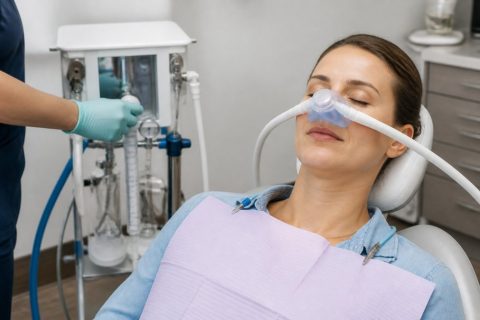
- 1. Nitrous Oxide (Laughing Gas): The Fastest Recovery Option
- 2. Oral Conscious Sedation: Deep Relaxation Without Needles
- 3. Intravenous (IV) Sedation: Maximum Comfort for Complex Procedures
- What to Expect During Dental Sedation
- How to Manage Dental Anxiety Naturally Before Your Appointment
- Dental Sedation Safety Regulations and What You Should Know
- Frequently Asked Questions
Last Updated: September 21, 2026
Understanding Sedation Dentistry for Anxious Patients
Sedation dentistry options transform treatment for anxious patients, enabling them to receive necessary care and avoid serious oral health problems.
At Midwest Center for Dentistry and Implants, Dr. Patel and the team help anxious patients receive care safely and comfortably.
Matching the right sedation dentistry option to each patient's anxiety level, procedure complexity, and preferences ensures optimal comfort and informed decisions.
Quick Comparison Table: Sedation Dentistry Options
| Sedation Type | Onset Time | Recovery Time | Best For | Requires Driver |
|---|---|---|---|---|
| Nitrous Oxide | 3-5 minutes | 5-10 minutes | Mild anxiety, short procedures | No |
| Oral Conscious Sedation | 30-60 minutes | 2-4 hours | Moderate anxiety, longer appointments | Yes |
| Intravenous (IV) Sedation | 1-2 minutes | 2-4 hours | Severe anxiety, complex procedures | Yes |
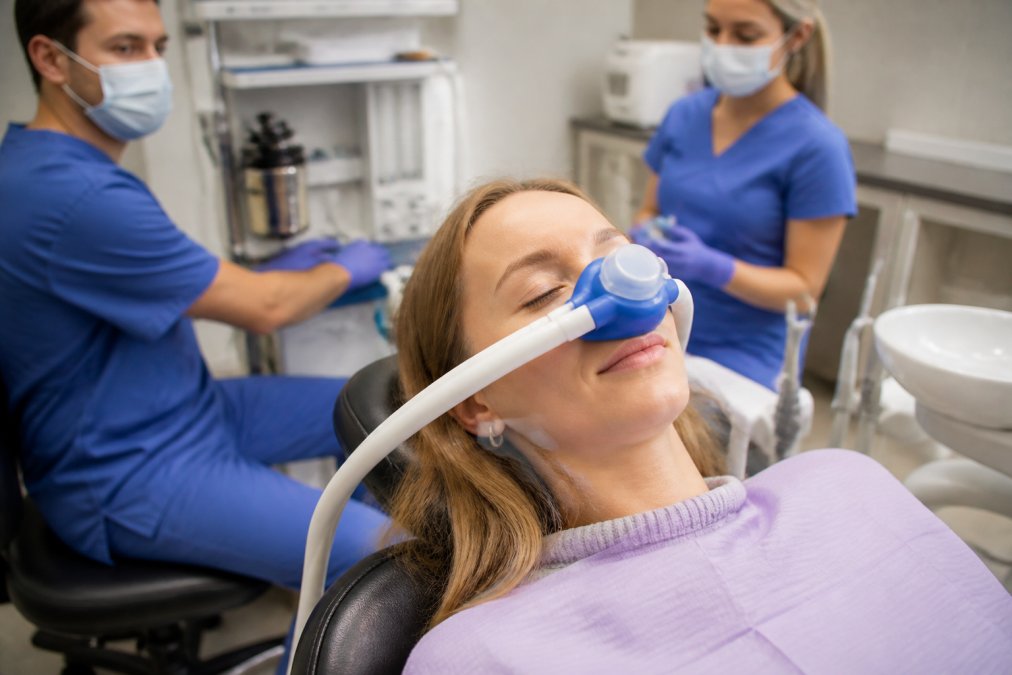
1. Nitrous Oxide (Laughing Gas): The Fastest Recovery Option
Nitrous oxide works best for mild to moderate anxiety and routine procedures, though its adjustable dosage allows quick adjustment if needed.
2. Oral Conscious Sedation: Deep Relaxation Without Needles
Oral conscious sedation requires no needles and offers deep relaxation with amnesia, ideal for comprehensive treatment plans with multiple procedures in one visit.
3. Intravenous (IV) Sedation: Maximum Comfort for Complex Procedures
This sedation dentistry option is best for severe dental phobia and extensive surgical procedures, though recovery time and driver requirement are tradeoffs.
What to Expect During Dental Sedation
Before the procedure, the dentist discusses which sedation dentistry option is appropriate and reviews pre-appointment instructions like fasting requirements.
Recovery Timeline and What to Expect
Nitrous Oxide Recovery (5-10 minutes): Most patients feel alert within minutes. Some experience mild lightheadedness or euphoria that fades quickly. Patients can drive home and resume normal activities immediately.
Post-Sedation Care Checklist
Following post-operative instructions reduces complications and speeds recovery:
- Have a responsible adult present for at least 2-4 hours after oral or IV sedation. This person should help with basic tasks and monitor for any unusual symptoms.
- Do not drive for at least 2-4 hours after oral or IV sedation, even if you feel alert. Reaction time and judgment remain impaired.
- Avoid alcohol and sedating medications for at least 24 hours after sedation, as combining these with residual sedative effects can be dangerous.
- Eat light foods once you feel ready (usually 1-2 hours after nitrous oxide, 2-3 hours after oral or IV sedation). Start with soft foods like yogurt, applesauce, or soup. Avoid hot foods until numbness from local anesthesia wears off to prevent accidental cheek or tongue biting.
- Stay hydrated by sipping water or electrolyte drinks, but avoid sugary beverages.
- Rest for the remainder of the day. Avoid strenuous exercise, heavy lifting, or intense mental work.
- Monitor the surgical site if teeth were extracted or implants placed. Slight oozing is normal for the first few hours; apply gentle pressure with gauze if needed.
- Take prescribed pain medication as directed if discomfort develops. Over-the-counter pain relievers like ibuprofen (per package directions) can also help.
- Contact the dentist immediately if you experience severe pain, excessive bleeding, difficulty breathing, chest pain, or any other concerning symptoms.
Common Post-Sedation Side Effects
Most side effects are mild and resolve within hours:
- Grogginess or drowsiness: Normal and expected; resolves as sedative wears off.
- Mild nausea: Occurs in a small percentage of patients; eating light foods and staying hydrated helps.
- Headache: Can occur with any sedation type; over-the-counter pain relievers usually help.
- Sore throat or dry mouth: More common after IV sedation due to the IV line and monitoring equipment; throat lozenges and water help.
- Bruising at the IV site: Minor bruising is normal and fades within days to a week.
- Temporary memory gaps: Expected with oral and IV sedation; long-term memory is unaffected.
- Emotional sensitivity: Some patients feel unusually emotional or tearful for a few hours; this is a normal response to sedation and stress.
Serious complications like allergic reactions or respiratory problems are rare when sedation is administered by qualified professionals in a properly equipped dental office. However, patients should contact their dentist or seek emergency care if symptoms persist or worsen beyond the expected recovery window.
How to Manage Dental Anxiety Naturally Before Your Appointment
Many patients benefit from natural anxiety management alongside sedation dentistry options. Deep breathing exercises (inhale for 4, hold for 4, exhale for 4) calm the nervous system and counteract fight-or-flight anxiety.
Pre-Appointment Preparation Checklist
Three Days Before:
- Review pre-appointment instructions and call with questions if unclear.
- Confirm appointment time and location; set a reminder.
- Arrange your driver in advance if having oral or IV sedation; confirm they’ll stay 2-4 hours after.
- Confirm with the dentist whether to take regular medications on appointment morning.
24 Hours Before:
- Avoid alcohol and caffeine after 2 p.m., as both can interact with sedation and worsen anxiety.
- Get adequate sleep; fatigue amplifies anxiety.
- Eat normal, balanced meals unless the dentist instructed otherwise.
Morning of the Appointment:
- Follow fasting instructions exactly.
- Take approved medications with a small sip of water if instructed.
- Wear comfortable, loose-fitting clothing; avoid tight collars.
- Wear slip-on shoes.
- Leave jewelry and valuables at home or with your driver.
- Brush teeth gently; avoid aggressive flossing.
- Arrive 10-15 minutes early to settle before the procedure.
Bring with You:
- Your insurance card and photo ID.
- A list of all current medications and supplements (or bring the bottles).
- Any medical alert information if you have allergies or medical conditions.
- Your driver’s contact information if you’re having oral or IV sedation.
- A small comfort item if the dentist approves (e.g., a stress ball or fidget toy to hold during the procedure).
Understanding Sedation Costs and Insurance Coverage
Typical Sedation Costs (out-of-pocket or insurance co-pay):
- Nitrous oxide: Often included in the procedure cost or charged as a small add-on ($25-$75).
- Oral conscious sedation: Typically $100-$300 depending on the medication and monitoring required.
- IV sedation: Usually $200-$500+ depending on the complexity of the procedure and length of monitoring.
What to Do:
- Call your insurance company before the appointment to confirm sedation coverage and percentage covered.
- Request a pre-authorization estimate from the dentist’s office to avoid surprises.
- Ask for an itemized cost estimate separating procedure and sedation costs.
- If sedation is not covered, ask about payment plans or financing options.
For Patients Without Insurance: If you don't have dental insurance, ask the dentist's office about payment options.
Dental Sedation Safety Regulations and What You Should Know
Sedation dentistry is regulated by dental boards to ensure patient safety. Dentists must complete specialized training and hold appropriate certifications for the sedation type they administer.
Frequently Asked Questions
What is the difference between nitrous oxide, oral sedation, and IV sedation?
Nitrous oxide (laughing gas) is a mild sedative gas you inhale through a mask; it wears off within 5-10 minutes, allowing you to drive home immediately. Oral conscious sedation uses prescription medication taken before your appointment, creating deeper relaxation that lasts throughout the procedure but requires a driver. IV sedation delivers medication directly into your bloodstream for the fastest, deepest sedation available in a dental office, ideal for complex procedures or severe dental anxiety, but also requires post-operative monitoring and transportation.
Is sedation dentistry safe for nervous patients?
Yes, sedation dentistry is considered safe when administered by trained dental professionals in a clinical setting. Dentists monitor your vital signs throughout the procedure to ensure your safety. Sedative agents have a high safety profile for dental use. However, like any medical procedure, sedation carries some risks, which your dentist will discuss with you during a consultation. Your health history, current medications, and specific anxiety level help determine which sedation option is safest for you.
How do I prepare for a dental appointment if I have severe anxiety?
Start by communicating openly with your dentist about your anxiety level and past dental experiences. Arrive early to familiarize yourself with the office environment. Practice relaxation techniques like deep breathing or meditation the night before and morning of your appointment. Limit caffeine on the day of your visit, as it can increase anxiety. If using oral sedation, arrange for a trusted driver and follow pre-appointment fasting instructions. Discuss which sedation option feels most comfortable for you during your initial consultation.
How long does it take for dental sedation to wear off?
Nitrous oxide wears off within 5-10 minutes after the mask is removed, so you can typically drive home right away. Oral conscious sedation takes 30 minutes to several hours to wear off completely, depending on the medication and dosage used. IV sedation effects diminish within 30-60 minutes, though residual grogginess may last a few hours. Your dentist will provide specific recovery guidelines based on which sedation type you receive. Always arrange transportation if your dentist recommends it, even if you feel alert.
What should I expect during dental sedation?
Before sedation begins, your dentist will review your medical history and explain the procedure. With nitrous oxide, you'll breathe through a mask and feel relaxed within minutes while remaining awake. With oral sedation, you'll take medication before arriving and feel drowsy throughout the appointment with some memory gaps. With IV sedation, a trained professional places an IV line, and you'll drift into deep relaxation with little to no memory of the procedure. Throughout sedation, your vital signs are monitored continuously to ensure your safety and comfort.