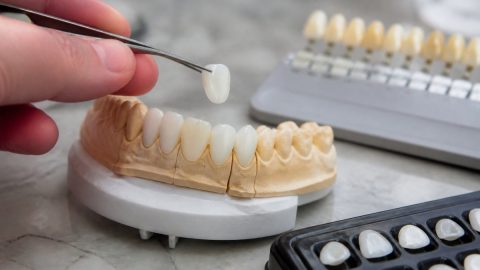
Top 10 Benefits of Porcelain Veneers
Table of Contents
- What Makes Porcelain Veneers a Popular Cosmetic Choice
- 1. Natural-Looking Aesthetics and Smile Harmony
- 2. Stain-Resistant Surface for a Brighter Smile
- 3. Exceptional Durability and Long-Term Performance
- 4. Minimal Tooth Alteration During the Veneer Process
- 5. Instant Smile Transformation and Confidence Boost
- How Porcelain Veneers Are Done
- How Long Do Porcelain Veneers Last
- Frequently Asked Questions
Last Updated: September 29, 2026
What Makes Porcelain Veneers a Popular Cosmetic Choice
Porcelain veneers have become one of the most requested cosmetic dental treatments, and understanding the top 10 benefits of porcelain veneers helps explain why they deliver transformative results with a minimally invasive approach. The top 10 benefits of porcelain veneers span aesthetic improvement, durability, and the confidence boost that comes with a radiant smile. At Midwest Center for Dentistry and Implants, we work with patients who want to correct everything from discolored teeth to minor alignment issues.
What sets veneers apart from other cosmetic options is their ability to address multiple concerns simultaneously. A single veneer can mask intrinsic stains that whitening treatments cannot reach. Multiple veneers can reshape your smile's symmetry, close gaps, and correct chipped or worn teeth. The result looks natural because veneers are custom-crafted to match your tooth structure and facial balance.
The decision to pursue veneers is deeply personal. Understanding what they offer, and what they don't, helps you decide if they're the right choice for your goals.
1. Natural-Looking Aesthetics and Smile Harmony
The most compelling benefit of porcelain veneers is their ability to create a smile that looks genuinely natural. Porcelain mimics the light-reflecting properties of real tooth enamel in ways that composite materials cannot replicate. When a skilled dental technician fabricates your veneers, they account for your facial structure, skin tone, and the proportions of your existing teeth to ensure harmony across your entire smile.
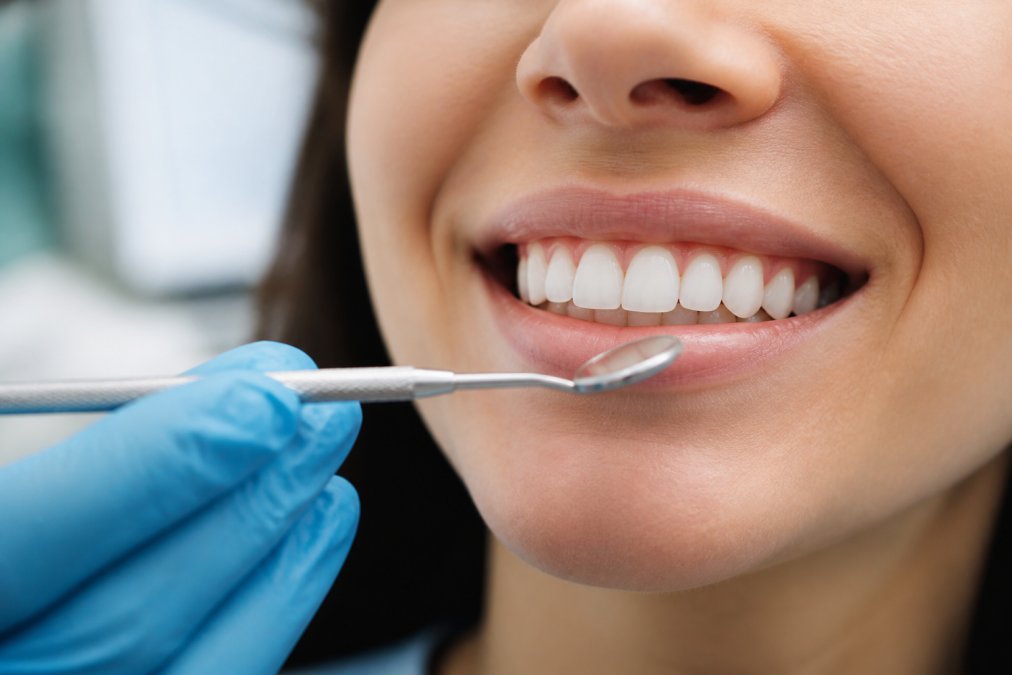
Custom-crafted veneers are designed individually for each tooth. The shade, texture, and contour are matched to create a symmetrical smile that complements your features. Many patients report that friends and family notice their smile is brighter, not that they had work done. That distinction matters: natural appearance builds confidence rather than drawing attention to cosmetic procedures.
The veneer material itself contributes to this realism. Porcelain is translucent, meaning light passes through it slightly, just as it does with natural enamel. This translucency is what prevents veneers from looking flat or artificial. High-quality porcelain systems are engineered specifically to achieve this balance between strength and aesthetic depth.
2. Stain-Resistant Surface for a Brighter Smile
Porcelain resists staining far more effectively than natural tooth enamel. Coffee, tea, red wine, and tobacco do not penetrate the glazed surface of a porcelain veneer the way they do with natural enamel. This stain resistance means your smile stays bright longer, even if you consume staining foods and beverages regularly.
Natural enamel is porous at the microscopic level, which is why intrinsic stains, discoloration inside the tooth, can develop over time. Porcelain veneers seal out these stains entirely. If you've struggled with tooth discoloration despite whitening treatments, veneers offer a permanent solution that doesn't require repeated bleaching.
The surface of a porcelain veneer is glazed during fabrication, creating a smooth, non-porous finish. This glaze not only resists stains but also makes veneers easier to clean than natural teeth. Regular brushing and flossing maintain the veneer surface without special products or procedures. Some patients find they can enjoy their favorite foods and drinks without worrying about their smile fading.
That said, the bonding material used to attach veneers can stain over time if it's exposed at the margins. This is why proper oral hygiene and regular professional cleanings are important, they keep the edges of your veneers sealed and protected.
3. Exceptional Durability and Long-Term Performance
Durability is a defining strength of porcelain veneers. The material itself is fired at extremely high temperatures, creating a glass-like hardness that resists chipping and cracking under normal use. When veneers are bonded properly to your teeth, they become part of your smile's structure and can last 10-15 years or longer with good care.
The longevity of your veneers depends on several factors: the quality of the initial bonding, your bite force, your oral hygiene habits, and whether you grind your teeth at night. Patients who wear a nightguard to prevent grinding tend to see longer veneer lifespans. Those who maintain consistent brushing, flossing, and professional cleanings protect the margins where veneers meet your natural tooth.
Compare this to composite bonding, which is less durable. Composite resin can stain, chip, and wear over time, often requiring replacement or touch-ups. Porcelain's superior longevity makes it a better long-term investment for patients seeking a permanent smile transformation.
When a veneer does eventually need replacement, whether after 12 years or 18 years, the process is straightforward. Your dentist removes the old veneer and prepares the tooth for a new one.
4. Minimal Tooth Alteration During the Veneer Process
One of the most appealing aspects of porcelain veneers is how little of your natural tooth structure is removed. Traditional veneers require modest tooth preparation: your dentist removes a thin layer of enamel (roughly 0.5 millimeters) from the front surface of the tooth. This is significantly less invasive than preparing a tooth for a crown, which requires removing much more structure.
5. Instant Smile Transformation and Confidence Boost
The psychological impact of veneers extends beyond the physical improvement to your teeth. Many patients report an immediate shift in how they carry themselves after receiving veneers. They smile more freely, speak with more confidence, and feel less self-conscious in social and professional settings.
How Porcelain Veneers Are Done
Understanding the veneer process helps you prepare for treatment and set realistic expectations. The procedure typically unfolds over two to three appointments, depending on how many teeth you're treating and your dental laboratory's turnaround time.
Consultation and Smile Design
Your first appointment is a consultation where you discuss your goals with your dentist. This is the time to bring reference photos, describe what you'd like to change, and ask questions about the process. Your dentist examines your teeth, takes X-rays, and assesses whether veneers are the right choice for your specific concerns.
Tooth Preparation and Impressions
At your second appointment, tooth preparation begins. Your dentist numbs the area (though many patients don't require anesthesia for veneer prep), then carefully removes a thin layer of enamel from the front surface of each tooth receiving a veneer. This creates space for the veneer to sit flush with your tooth surface.
Laboratory Fabrication and Bonding
While your permanent veneers are being created, the dental laboratory uses your impressions and shade specifications to craft each veneer individually. Technicians layer porcelain to achieve the right color, translucency, and contour. The result is a restoration that matches your natural teeth and complements your facial features.
How Long Do Porcelain Veneers Last
The lifespan of porcelain veneers typically ranges from 10 to 15 years, with many lasting significantly longer with proper care. Some patients report veneers remaining in excellent condition for 20 years or more. The longevity depends on the quality of the initial bonding, the material used, and how well you care for your veneers.
| Care Habit | Impact on Longevity | Frequency |
|---|---|---|
| Brushing with soft-bristled toothbrush | Protects veneer surface and margins | Twice daily |
| Flossing | Prevents decay at veneer edges | Daily |
| Professional cleanings | Removes buildup, maintains bonding | Every 6 months |
| Wearing nightguard | Prevents grinding damage | Every night if you grind |
| Avoiding hard foods | Reduces chipping risk | Ongoing |
| Limiting acidic beverages | Preserves bonding material | Ongoing |
Frequently Asked Questions
How long do porcelain veneers typically last?
Porcelain veneers are designed for long-term durability, typically lasting 10-15 years or longer with proper care. The lifespan depends on oral hygiene habits, bite force, and how well you maintain them. Regular brushing, flossing, and avoiding habits like grinding your teeth can extend their longevity. Periodic professional cleanings and check-ups help ensure they remain in optimal condition for years.
Do porcelain veneers look natural?
Yes, porcelain veneers are custom-crafted to match your natural tooth color, shape, and size, creating a seamless, natural appearance. Skilled dental technicians use advanced shade-matching techniques and layering methods to replicate the light-reflecting properties of real enamel. When properly designed and placed, veneers blend so well with your existing teeth that they are virtually indistinguishable from natural dentition.
How do porcelain veneers compare to composite bonding?
Porcelain veneers offer superior durability and stain resistance compared to composite bonding. Porcelain maintains its color better over time and resists discoloration from coffee, tea, and wine. Composite bonding is less invasive and more reversible, but requires more frequent touch-ups and maintenance. For a long-term investment in smile aesthetics, porcelain veneers provide better value despite higher initial cost.
Are porcelain veneers worth the investment?
Porcelain veneers are worth considering if you want a lasting solution for cosmetic imperfections like stains, chips, or misalignment. Their durability means fewer replacements over time compared to composite bonding. The investment depends on your personal goals, budget, and how much the improvement in smile confidence matters to you. A consultation with your dentist can help determine if veneers align with your needs and expectations.
Does getting veneers damage your natural teeth?
The veneer process requires minimal tooth alteration. Your dentist removes only a thin layer of enamel, typically less than 1mm, to prepare the tooth surface for bonding. This is a conservative approach compared to crowns, which require more extensive preparation. In many cases, modern minimally invasive techniques preserve most of your natural tooth structure, making veneers a relatively gentle cosmetic option.
Porcelain veneers offer a comprehensive solution for smile transformation. Whether you're addressing tooth discoloration, gaps, or minor misalignment, veneers deliver results that look natural and last for years. At Midwest Center for Dentistry and Implants, Dr. Patel and the team specialize in custom smile design that aligns with your goals and facial features. Schedule a consultation to explore whether veneers are right for your smile. Call us at (630) 766-0115 to begin your transformation.