How to Maintain Dental Bonding Results
Table of Contents
- What You Need to Know About Maintaining Dental Bonding
- How Long Does Dental Bonding Last?
- Daily Oral Hygiene Routine for Bonded Teeth
- Foods to Avoid With Dental Bonding
- Does Dental Bonding Stain?
- Protecting Your Bonding From Damage and Wear
- Professional Maintenance and Repair Procedures
- Impact of Whitening Treatments on Bonded Teeth
- Frequently Asked Questions
Last Updated: September 26, 2026
What You Need to Know About Maintaining Dental Bonding
Dental bonding is a cosmetic restoration that uses composite resin to improve your smile. The material bonds directly to your natural tooth structure. Once placed, you must maintain dental bonding with consistent care to keep it looking great and lasting as long as possible.
How Long Does Dental Bonding Last?
Dental bonding typically lasts between 5 and 10 years with proper care. Some bonding materials last longer, depending on the location of the restoration and your daily habits.
The lifespan of bonding depends on several factors:
- Tooth location, Bonding on front teeth lasts longer than bonding on back molars, which experience more chewing force
- Your bite force, Heavier chewers may see bonding wear faster
- Daily habits, Smoking, grinding your teeth, and eating hard foods reduce bonding longevity
- Maintenance routine, Regular brushing, flossing, and professional cleanings extend the life of your restoration
Daily Oral Hygiene Routine for Bonded Teeth
A solid oral hygiene routine is the foundation of maintaining dental bonding. The composite material requires gentler handling than your natural enamel, but the same basic practices apply.

Brushing Technique With a Soft-Bristled Toothbrush
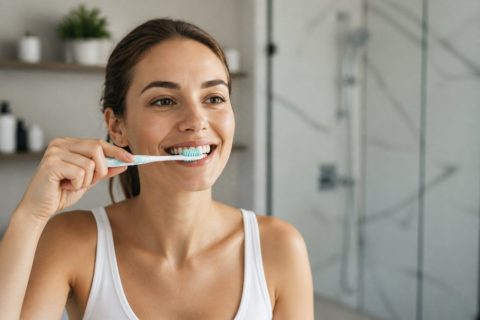
Use a soft-bristled toothbrush every time you brush. Hard or medium bristles can scratch and wear away the bonding material over time. Look for toothbrushes labeled "soft" or "extra soft" on the packaging.
Brush at least twice daily using these steps:
- Angle your brush, Hold the toothbrush at a 45-degree angle where your teeth meet your gums
- Use gentle pressure, Let the brush do the work; don’t scrub hard or use aggressive strokes
- Brush in small circles, Move the brush in small circular motions rather than back-and-forth sawing movements
- Cover all surfaces, Clean the front, back, and chewing surfaces of every tooth
- Take your time, Spend at least 2 minutes brushing to ensure thorough cleaning
Choosing the Right Toothpaste
- Low-abrasive or gentle formulas, Products marketed for sensitive teeth are typically gentler on composite material
- Fluoride-based, Fluoride strengthens natural tooth enamel around bonding margins, reducing decay risk
- Free of whitening agents, Whitening toothpastes contain abrasive silica particles that wear composite resin
Flossing and Using Alcohol-Free Mouthwash
Floss daily to remove plaque accumulation between your teeth and around bonded restorations. Plaque buildup can lead to decay and gum disease, both of which compromise bonding integrity.
Use these flossing tips:
- Gently guide floss between each tooth
- Curve the floss around the base of each tooth
- Avoid snapping floss down hard onto your gums
- Use a fresh section of floss for each gap
Foods to Avoid With Dental Bonding
Your diet directly impacts how long dental bonding lasts. Certain foods and drinks stain the composite material or put excessive stress on the restoration.
Avoid or limit these foods:
- Hard candies and nuts, These can chip or crack bonding material
- Sticky foods, Caramel, taffy, and chewing gum can pull at bonding edges
- Very hot foods, Extreme temperature changes can cause the material to expand and contract
- Acidic foods, Citrus fruits, vinegar-based dressings, and soda soften the bonding material
- Dark-colored foods, Berries, beets, and soy sauce stain composite resin
Does Dental Bonding Stain?
Yes, dental bonding can stain more easily than natural tooth enamel. The composite resin is porous and absorbs color from food, drinks, and tobacco products.
Prevent staining by:
- Limiting exposure to staining agents like coffee, red wine, and tobacco
- Rinsing with water after consuming dark-colored foods or drinks
- Brushing gently 30 minutes after acidic foods
- Using a straw when drinking staining beverages
Protecting Your Bonding From Damage and Wear
Beyond daily hygiene, active protection prevents physical damage to your bonded teeth.
Avoiding Habits That Damage Bonding Material
Certain habits put bonding at risk of chipping, cracking, or fracture. Breaking these habits extends the life of your restoration significantly.
Stop these damaging behaviors:
- Chewing on ice, Ice is hard and can fracture bonding material instantly
- Using teeth as tools, Opening packages, cutting thread, or removing labels with your teeth puts extreme pressure on bonding
- Grinding your teeth, Bruxism wears down bonding faster and can cause chipping
- Biting your nails, Repetitive biting stresses the bonded edges
- Chewing on pens or pencils, This habit creates stress points on the restoration
Using a Mouthguard for Bruxism Protection
If you grind your teeth at night, a custom mouthguard is essential for protecting your bonding. Bruxism creates repetitive stress that wears down composite material and can cause fractures.
A custom mouthguard:
- Fits your teeth precisely for maximum comfort
- Distributes bite force evenly across all teeth
- Protects bonding from the wear caused by grinding
- Prevents jaw pain and muscle tension from bruxism
Professional Maintenance and Repair Procedures
Regular dental visits are crucial for maintaining dental bonding results. Your dentist monitors the condition of your bonding and catches problems early, performing repairs that extend the life of your restoration.
Your dentist will check for:
- Signs of bonding wear or damage
- Discoloration or staining
- Decay at the margins where bonding meets your tooth
- Fractures or chipping
Bonding Polishing: Removing Surface Stains and Wear
If your bonding develops surface stains or a dull appearance, your dentist can perform a polishing procedure. This is one of the most common maintenance treatments and is often overlooked by patients who assume staining is permanent.
During polishing:
- Your dentist uses a rubber cup or polishing pad attached to a slow-speed handpiece
- A mild polishing paste (much gentler than toothpaste) is applied to the bonded surface
- The dentist gently buffs away surface discoloration, stains from coffee, wine, or tobacco, and minor surface irregularities
- The procedure typically takes 5-10 minutes per tooth
- No anesthesia is needed; you may feel slight vibration and hear a soft whirring sound
Bonding Touch-Up: Filling Small Chips and Gaps
Small chips, cracks, or gaps at the bonding edge can be repaired by adding fresh composite resin directly to the damaged area. This is called a touch-up or repair.
During a touch-up procedure:
- Your dentist isolates the tooth and cleans the damaged area
- The existing bonding surface is lightly roughened to help new material bond securely
- Fresh composite resin matching your bonding shade is applied to the chip or gap
- The material is shaped and hardened with a specialized blue light (LED curing light)
- The repair is polished smooth to blend seamlessly with surrounding bonding
- The entire process typically takes 15-30 minutes
Full Bonding Replacement: When Repair Is Not Enough
For significant wear, deep staining, large fractures, or repeated damage in the same area, your dentist may recommend replacing the entire bonding.
During replacement:
- The old composite material is carefully removed using a drill or laser
- Your tooth is cleaned and prepared
- New composite resin is applied in layers, shaped to your desired contour, and hardened with a curing light
- The restoration is polished to a smooth, natural finish
- The procedure typically takes 30-60 minutes depending on the size and location of the bonding
Timing Your Repairs
Don't wait until bonding damage worsens. Small chips and stains are easier and cheaper to address early. If you notice any of the following, schedule a dental appointment:
- Visible chips or rough edges
- Discoloration that doesn’t improve with brushing
- Gaps forming between bonding and your natural tooth
- Bonding feeling rough or uneven when you run your tongue over it
Impact of Whitening Treatments on Bonded Teeth
Professional whitening treatments do not whiten existing bonding material. Bleaching agents only lighten natural tooth enamel, not composite resin.
If you plan to whiten your teeth:
- Discuss timing with your dentist before starting treatment
- Consider replacing bonding after whitening to match your new shade
- Avoid over-the-counter whitening strips, which can damage bonding edges
- Ask your dentist about professional whitening options that are safe for bonded teeth
| Maintenance Practice | Frequency | Impact |
|---|---|---|
| Brush with soft-bristled toothbrush | 2x daily | Prevents surface wear and staining |
| Floss | Daily | Removes plaque around bonding edges |
| Professional cleaning | Every 6 months | Removes tartar and prevents decay |
| Avoid hard foods | Ongoing | Prevents chipping and fractures |
| Wear mouthguard if grinding | Nightly | Protects from bruxism damage |
| Limit staining agents | Ongoing | Maintains bonding color and appearance |
Frequently Asked Questions
How long does dental bonding typically last before it needs replacement?
Dental bonding generally lasts between 5 to 10 years with proper care and maintenance. The longevity of composite resin bonding depends on several factors, including your oral hygiene routine, dietary habits, and whether you grind your teeth. Some patients experience bonding that lasts longer through diligent aftercare and regular professional cleanings. Your dentist can assess the condition of your bonding during dental check-ups and recommend touch-ups or replacement when needed.
What foods and drinks should I avoid to protect my dental bonding?
Avoid dark-colored beverages like coffee, red wine, and cola, as they contain staining agents that can discolor the composite resin material. Hard or sticky foods, including nuts, candy, and chewing gum, can cause chipping or fracture of the bonding. Acidic foods and drinks weaken the bond and enamel around the restoration. Limiting these staining agents and hard foods helps preserve the appearance and structural integrity of your bonding for years to come.
Does dental bonding stain like natural teeth?
Yes, dental bonding can stain, though composite resin is somewhat more resistant to surface staining than natural tooth enamel. However, staining agents from foods, drinks, and tobacco use can cause discoloration over time. Regular professional polishing during dental check-ups helps remove surface staining and maintain the bonding's appearance. Using non-abrasive toothpaste and avoiding smoking reduces the risk of discoloration and extends the smile maintenance benefits of your bonding.
Can I whiten my teeth if I have dental bonding?
Professional whitening treatments do not bleach composite resin bonding material, so your bonding will not whiten along with your natural teeth. This can create a mismatch in tooth color. If you want to whiten your smile, discuss whitening options with your dentist before bonding is placed, or plan for bonding replacement after whitening to ensure color consistency. Your dentist can help you choose the best approach for your cosmetic dentistry goals and smile maintenance.
Maintaining dental bonding results requires consistent daily care and regular professional support. By following a solid oral hygiene routine, protecting your teeth from damage, and visiting your dentist regularly, you can keep your bonded smile looking beautiful for years to come. Contact Midwest Center for Dentistry and Implants at (630) 766-0115 to schedule your next cleaning or discuss bonding maintenance strategies tailored to your specific needs.