Sedation Dentistry vs Local Anesthesia for Anxiety
Table of Contents
- Sedation Dentistry vs Local Anesthesia: Key Differences
- Comparison Table: Sedation and Local Anesthesia at a Glance
- Types of Sedation Dentistry Explained
- How Local Anesthesia Works for Pain Management
- Dental Anxiety Management Techniques: Sedation vs Other Options
- What to Expect During IV Sedation
- Cost, Recovery, and Safety Considerations
- Which Option Is Right for You?
- Frequently Asked Questions
Last Updated: September 25, 2026
Sedation Dentistry vs Local Anesthesia: Key Differences
When comparing sedation dentistry vs local anesthesia for anxiety, the fundamental question comes down to this: do you need to manage pain, or do you need to manage fear? Local anesthesia blocks pain signals in a specific area of the mouth. Sedation dentistry addresses the psychological anxiety that keeps many people out of the dental chair entirely. Understanding this distinction helps patients and dentists work together to select the right approach.
For anxious patients, the difference is crucial. Local anesthesia numbs the tooth but leaves patients fully conscious and aware of sights, sounds, and sensations. Sedation dentistry reduces anxiety through medication that calms the central nervous system, allowing deep relaxation or loss of time awareness during the procedure.
Many practices use both together: local anesthesia for pain management and sedation for anxiety relief. At Midwest Center for Dentistry and Implants, the team determines whether each patient needs anxiety management, pain management, or both for a comfortable experience.
The decision depends on the severity of dental anxiety, the complexity of the procedure, and the patient's medical history. A patient with mild nervousness might do well with local anesthesia and some reassurance. A patient with severe dental phobia or trauma may require IV sedation to proceed with necessary treatment at all.
Comparison Table: Sedation and Local Anesthesia at a Glance
| Method | How It Works | Best For | Recovery Time | Requires Driver |
|---|---|---|---|---|
| Local Anesthesia | Numbs specific area via injection | Pain management without anxiety | None | No |
| Nitrous Oxide | Inhaled gas that induces mild relaxation | Mild to moderate anxiety | 5-10 minutes | No |
| Oral Conscious Sedation | Pill taken before appointment | Moderate anxiety, longer procedures | 2-4 hours | Yes |
| IV Sedation | Medication delivered directly into bloodstream | Severe anxiety, complex surgeries | 2-4 hours | Yes |
Types of Sedation Dentistry Explained
Sedation dentistry offers several approaches suited to different anxiety levels and clinical situations.
Nitrous Oxide (Laughing Gas)
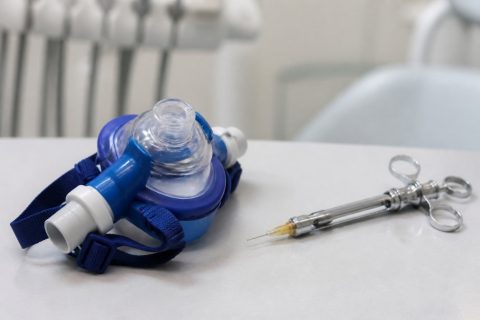
Nitrous oxide is an inhaled gas producing mild sedation and euphoria. The dentist controls the concentration throughout the procedure, and patients breathe it through a nose mask while remaining fully conscious and responsive.
Onset is rapid, and recovery is equally quick, the gas leaves the system within 5 to 10 minutes, allowing patients to drive home. This makes nitrous oxide ideal for mild to moderate anxiety without a long recovery period.
Nitrous oxide does not produce amnesia, so patients remember the appointment. The mild relaxation and quick recovery make it a middle ground between local anesthesia and deeper sedation. Note: patients must breathe comfortably through the nose, ruling it out for those with significant nasal congestion.
Oral Conscious Sedation
Oral conscious sedation involves taking a sedative pill before the appointment. The medication induces deep relaxation while patients remain conscious and responsive. Many experience partial or complete amnesia, reporting that hours felt like minutes.
This approach works well for moderate to severe anxiety and longer procedures. The medication takes 30 to 60 minutes to reach full effect, and patients cannot drive home due to lingering effects.
The main advantage is profound anxiety relief for patients who cannot tolerate the sight or sound of dental work. The trade-off is the recovery period and need for a driver.
IV Sedation
IV sedation delivers medication directly into the bloodstream, allowing precise, real-time control. Patients typically experience significant memory loss and report the procedure seemed brief even if it lasted hours.
IV sedation is reserved for severe anxiety and complex surgeries. Dosage is adjusted in real time with continuous vital sign monitoring. Recovery takes 2 to 4 hours, requiring a responsible adult for transportation and post-operative care.
IV sedation provides the highest anxiety control and is often the only option for severe phobia or extensive surgery. It is the most expensive choice and requires specialized training and equipment.
How Local Anesthesia Works for Pain Management
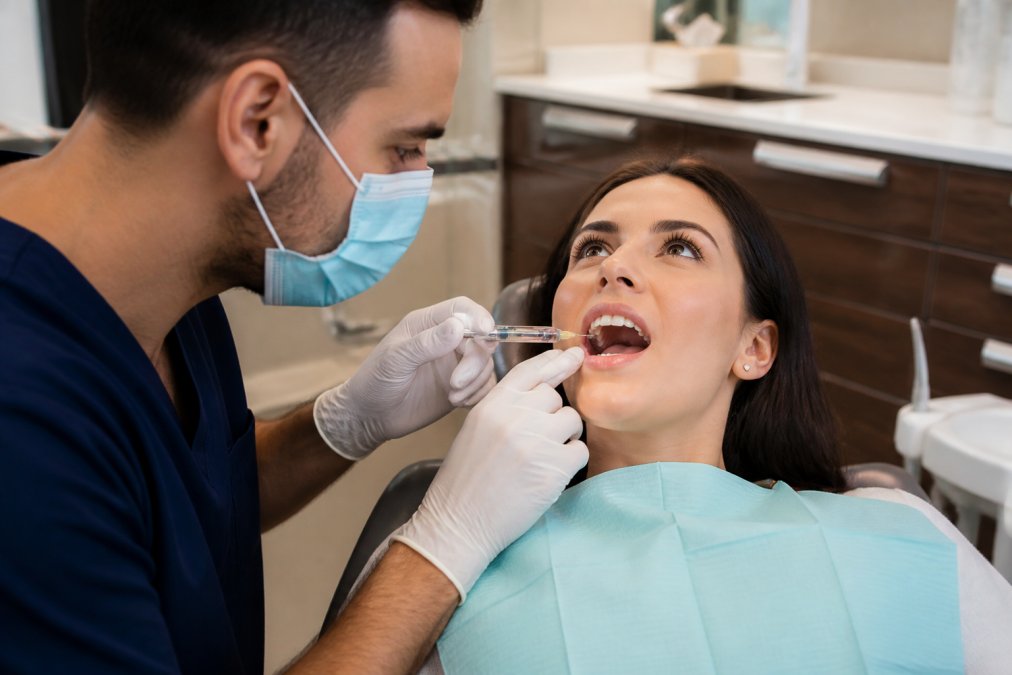
Local anesthesia is standard for restorative dental work. The dentist injects lidocaine into the gum tissue near the tooth, blocking pain signals so patients feel pressure and vibration but not sharp pain.
Modern needles are extremely fine, and topical numbing gel is often applied first, making the injection barely noticeable. The anesthetic takes effect within 2 to 3 minutes, providing complete pain relief.
Local anesthesia does not affect consciousness or anxiety. Patients remain fully aware of the environment and sounds. For mild anxiety or pain management alone, this is sufficient. For significant anxiety, local anesthesia alone can intensify fear.
Local anesthesia is simple, safe, and cost-effective with no recovery period, no driver needed, and no lingering effects. Patients return to normal activities immediately.
Dental Anxiety Management Techniques: Sedation vs Other Options
Sedation dentistry is effective but not the only tool for managing dental anxiety. Many patients benefit from combined approaches tailored to their specific fears.
Behavioral techniques can significantly reduce anxiety. Controlled breathing, guided imagery, and distraction (music or movies) calm the nervous system. Clear communication builds trust and reduces fear of the unknown.
Cognitive behavioral therapy (CBT) has strong evidence for treating dental anxiety. Patients work with a mental health professional to reframe anxiety-triggering thoughts, potentially reducing or eliminating anxiety without medication.
Sedation works best combined with behavioral techniques and a calm, reassuring dentist who explains each step and listens to concerns. At Midwest Center for Dentistry and Implants, the team emphasizes personalized care identifying each patient's anxiety root cause.
Mild anxiety may require only behavioral techniques and local anesthesia. Moderate anxiety often responds to nitrous oxide or oral conscious sedation with reassurance. Severe anxiety may require IV sedation, enhanced by a caring, patient-centered approach.
What to Expect During IV Sedation
Patients choosing IV sedation should understand the full process from pre-appointment preparation through recovery. This knowledge reduces uncertainty and helps patients feel more in control.
Before the appointment, patients fast for several hours (duration varies by procedure). The dentist reviews medical history and medications for contraindications. A responsible adult must be present for transportation and post-operative care.
An IV line is placed in the arm, and sedative medication is administered. Within minutes, patients feel deeply relaxed or lose consciousness. Vital signs, heart rate, blood pressure, oxygen saturation, and respiratory rate, are continuously monitored throughout.
Treatment proceeds while the patient is sedated. Many report the procedure felt brief even if it lasted hours. This time distortion is a key benefit of IV sedation.
As the procedure concludes, sedative medication is reduced or stopped. Patients wake gradually in a monitored recovery area, typically for 1 to 2 hours before discharge. Patients should not drive or operate machinery for the remainder of the day.
Post-operative care includes rest, hydration, and following dentist instructions. Mild grogginess or nausea resolves within hours. Soreness or swelling is managed with over-the-counter pain relief and ice.
Cost, Recovery, and Safety Considerations
Cost varies by sedation method. Local anesthesia is typically included in procedure cost. Nitrous oxide adds a fee. Oral conscious sedation and IV sedation require specialized equipment, training, and monitoring.
Insurance coverage for sedation varies by plan and by the clinical indication. Some plans cover sedation for patients with documented severe anxiety or for complex surgical procedures. Others do not cover sedation at all. Patients should contact their insurance provider before the appointment to understand their coverage and out-of-pocket costs.
Recovery time differs by sedation method. Local anesthesia has no recovery period, patients can return to work or normal activities immediately. Nitrous oxide requires only 5 to 10 minutes of recovery.
Which Option Is Right for You?
Choosing between sedation dentistry and local anesthesia depends on several factors: the severity of dental anxiety, the complexity and length of the procedure, medical history, and personal preferences.
Frequently Asked Questions
Can you be sedated at the dentist if you have severe dental anxiety?
Yes. Sedation dentistry is specifically designed for patients with dental phobia or severe anxiety. Options range from nitrous oxide (laughing gas) for mild anxiety to IV sedation for severe cases. IV sedation provides the deepest level of anxiety relief while keeping you conscious, with continuous vital signs monitoring. A consultation with your dentist will determine which sedation option best matches your anxiety level and the complexity of your procedure.
What are the main types of sedation dentistry available?
There are three primary types of sedation dentistry: nitrous oxide (laughing gas), which provides mild relaxation and quick recovery; oral conscious sedation, a pill taken before the appointment that induces deep relaxation and partial memory loss; and IV sedation, which delivers medication directly into the bloodstream for the deepest sedation level. Each type offers different levels of anxiety relief and recovery times, depending on your needs and the length of your procedure.
Does local anesthesia address dental anxiety, or just pain?
Local anesthesia only addresses pain. It numbs the specific area being treated but does not reduce anxiety or fear. Patients remain fully conscious and aware of sights, sounds, and sensations during the procedure. If you experience dental anxiety, local anesthesia alone may not be sufficient. Combining local anesthesia with sedation dentistry addresses both pain management and anxiety relief for a more comfortable experience.
What should I expect during IV sedation?
During IV sedation, a small catheter is placed in your arm to deliver medication directly into your bloodstream. You'll feel relaxed and drowsy within minutes. Most patients have little to no memory of the procedure, though you remain conscious and can respond to commands. A trained professional monitors your vital signs throughout. After the procedure, recovery takes 1 to 2 hours, and you'll need a driver to take you home. Most patients describe feeling as though only a few minutes passed, even during lengthy procedures.